
Exploring how gambling evolved through the ages A historical overview
The Origins of Gambling
The history of gambling can be traced back thousands of years, with evidence suggesting its presence in ancient civilizations such as China, Egypt, and Rome. The earliest known gambling artifacts date back to around 2300 B.C., featuring dice made from animal bones. In these early societies, games of chance were often intertwined with religious beliefs and rituals, where luck was thought to be influenced by divine forces. Today, players can explore platforms that feature online casinos offering varied experiences.
As civilizations developed, so did the complexity of gambling. The ancient Greeks introduced more structured forms of betting, particularly in the context of sports and events such as the Olympics. This marked a significant shift from pure chance games to betting systems that also considered skill and strategy, laying the groundwork for future gambling practices.
The Evolution of Gambling in the Middle Ages
The Middle Ages saw a continuation of gambling traditions, albeit with varying degrees of acceptance. While the Church often condemned gambling as a vice, it remained a popular pastime among the populace. Card games gained prominence during this era, leading to the establishment of gambling houses, particularly in Italy and France. These establishments offered a social space for people to engage in games of chance, revealing a burgeoning interest in both luck and skill.
This period also saw the development of various betting games that would become staples in modern gambling culture. For instance, the earliest forms of what we now know as roulette and baccarat emerged during this time, showcasing the blend of chance and player skill that characterizes many popular games today.
The Birth of Modern Gambling
The 17th and 18th centuries marked a significant turning point in the evolution of gambling, particularly with the emergence of formalized casinos. The first official casino opened in Venice in 1638, leading to the establishment of similar venues across Europe. These casinos became centers of social life and sophistication, where aristocrats would indulge in games that required both luck and strategy.
During this period, the introduction of betting on horse races and the establishment of lotteries further expanded gambling opportunities. The increasing popularity of these activities also prompted the development of laws and regulations, as governments began to recognize the economic potential of gambling as a source of revenue.
The Impact of Technology on Gambling
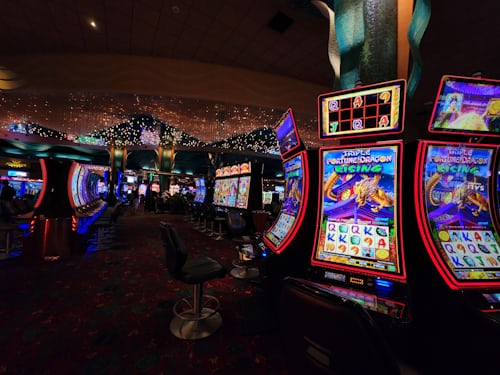
The advent of technology in the 20th century transformed the gambling landscape dramatically. The introduction of slot machines in the late 19th century provided a new form of entertainment that relied purely on luck, appealing to a broader audience. As technology advanced, so did the sophistication of gaming machines and casino games, attracting players from all walks of life.
With the rise of the internet in the late 20th century, online gambling emerged as a revolutionary force. Players could now enjoy their favorite games from the comfort of their homes, with a myriad of options that ranged from virtual casinos to live dealer games. This shift has led to a greater accessibility of gambling, allowing for a diverse range of gaming experiences that cater to both skillful players and those who prefer games of chance.

Understanding Today’s Gambling Environment
In today’s world, gambling has become a multi-billion dollar industry, with various platforms offering a wide array of gaming options. The emergence of non-GamStop casinos caters to players looking for flexibility and freedom in their gambling experience. These platforms often feature extensive game libraries, generous promotions, and modern payment methods, such as cryptocurrencies, that enhance user engagement.
As gambling continues to evolve, the debate around luck versus skill persists. While many games rely heavily on chance, skill-based games are gaining traction, attracting players who enjoy a more strategic approach. This dynamic landscape keeps the industry vibrant and ensures that gambling remains a popular form of entertainment globally.