
The Thrill of the Gamble
The allure of casinos often lies in the thrill they provide. For many, the excitement of placing a bet and the anticipation of a potential win creates a rush that is hard to replicate. This thrill is closely linked to the brain’s reward system, where neurotransmitters like dopamine play a crucial role. When players win, even small amounts, their brains release this ‘feel-good’ chemical, reinforcing the behavior and encouraging them to keep playing. In the UK, players might seek options like casino not on gamstop uk that allow them to enjoy gaming without certain restrictions.

Furthermore, the environment in a casino is meticulously designed to amplify this experience. From flashing lights to upbeat music, every element is aimed at enhancing emotions that lead to a greater sense of euphoria. This sensory stimulation can make players feel invincible, often leading them to chase that exhilarating feeling, sometimes at the cost of rational decision-making.
The Illusion of Control
Many gamblers operate under the misconception that they can control their outcomes through skill or strategy, even in games of chance. This belief can be rooted in cognitive biases, such as the illusion of control, where individuals mistakenly perceive they can influence random events. For example, players often feel that choosing specific numbers or strategies gives them an edge, which can enhance their confidence and encourage further play.
This psychological phenomenon plays a significant role in prolonging the gambling experience. When individuals believe they have a say in the outcomes, they are more likely to continue playing, even in the face of losses. This mindset can lead to a cycle of gambling that is hard to break, as the quest for that anticipated win keeps players coming back for more.
The Role of Social Influence
The social aspect of gambling cannot be overlooked. Many people enjoy visiting casinos with friends or family, and the collective excitement can amplify individual experiences. Social dynamics, such as peer pressure, can lead to increased betting and risk-taking. When players see others winning, it can heighten their desire to gamble, hoping to replicate that success.
Additionally, casinos often create a communal environment that fosters interaction among players. This social engagement can blur the lines between personal responsibility and group behavior, leading individuals to make riskier decisions than they might otherwise make alone. The communal aspect can also serve as a distraction, allowing players to lose track of time and money more easily.
The Impact of Cognitive Dissonance
Cognitive dissonance plays a fascinating role in the psychology of gambling. After experiencing losses, players may rationalize their choices to alleviate the discomfort associated with their decisions. They might convince themselves that they were “due for a win” or that their luck will turn around, which can perpetuate the cycle of gambling. This psychological mechanism allows individuals to maintain their self-image and justify continued play despite negative outcomes.
This dissonance can lead to a spiral of behavior where players ignore the negative consequences of their gambling, focusing instead on past victories or future possibilities. Such rationalizations serve to maintain their engagement with casino games, despite the risk of increasing financial loss and emotional distress.
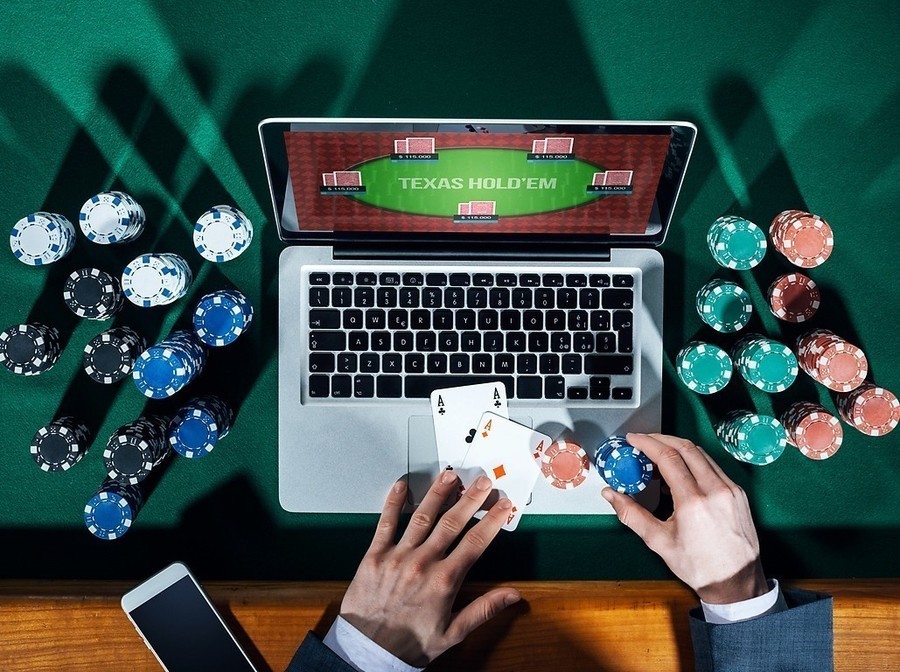
Raising Awareness About Gambling Psychology
Understanding the psychology behind gambling can empower individuals to make more informed choices. Education on the risks associated with gambling, the influence of environmental factors, and the mechanics of cognitive biases can foster a healthier relationship with gaming. Resources and initiatives that focus on gambling awareness can help players recognize harmful patterns and encourage responsible behaviors.
As we explore the nuances of casino psychology, it’s important to advocate for informed decision-making and support for those who may struggle with gambling addiction. Engaging in community discussions around these issues can be beneficial, as it provides a platform for sharing experiences and solutions. By addressing the psychological aspects of gambling, we can promote safer gaming environments and healthier lifestyles for individuals and their communities.