
The Influence of Game Mechanics on Player Engagement
The mechanics of casino games are intricately designed to captivate players and maintain their interest. Game designers meticulously consider elements such as the rules, rewards, and overall flow of the game to create a compelling experience. For instance, the concept of variable rewards can keep players engaged longer, as the unpredictability of outcomes encourages them to keep playing in hopes of achieving that elusive win. Interestingly, many players also explore canadian betting sites that enhance their overall gambling experience, as the anticipation and excitement play crucial roles in maintaining player satisfaction.
Moreover, the engagement factor is amplified through the use of immersive graphics, sound effects, and psychological triggers that evoke emotional responses. A well-designed game can make players feel a sense of accomplishment, especially when they achieve milestones or unlock new levels. Additionally, the social aspect of games, such as multiplayer features and in-game chats, fosters a sense of community among players, making them more likely to return. Thus, the combination of thrilling mechanics and a supportive community serves to enhance player retention and satisfaction.
Furthermore, game designers study player behavior to fine-tune these mechanics continuously. Analytics tools track player engagement, win/loss ratios, and even how players interact with game features. Insights from this data help designers make informed adjustments to improve the game experience. For instance, if certain mechanics lead to frustration rather than engagement, designers can pivot and enhance those elements to maintain player satisfaction. This ongoing process of adaptation is vital in an ever-evolving market where player preferences shift rapidly.
The Role of Aesthetics in Casino Game Design
Aesthetics play a paramount role in the appeal of casino games, as they significantly influence player emotions and experiences. The visual design of a game, including its themes, color palettes, and graphics, is carefully chosen to create a particular atmosphere. Bright colors and engaging animations can evoke feelings of excitement and fun, while more subdued tones may promote relaxation. This emotional connection to the game’s visuals can impact a player’s decision to engage further, fostering a deeper attachment to the game.
Additionally, sound design is equally important in enhancing the aesthetic experience. Sounds tied to wins or achievements create positive reinforcement, while ambient sounds can immerse players in the game environment. For example, the exhilarating sound of coins cascading down after a win can trigger a dopamine release in the brain, reinforcing the pleasure associated with playing. This synergy between visual and auditory elements forms a holistic experience that not only attracts players but also keeps them invested over the long term.

Moreover, the thematic choices in casino games reflect cultural narratives and trends that resonate with players. Games inspired by popular movies or myths tend to attract larger audiences as they tap into existing emotional connections. By aligning the aesthetics with broader cultural themes, designers can create a sense of familiarity that draws players in. Consequently, the strategic use of aesthetics in casino game design becomes a crucial tool in crafting engaging, memorable experiences that foster player loyalty.
Understanding Player Psychology and Behavior
A deep understanding of player psychology is essential for effective casino game design. Designers often tap into psychological principles such as loss aversion, where players tend to prefer avoiding losses over acquiring equivalent gains. This understanding can lead to the implementation of features like “near-misses,” where players feel they were close to winning, thereby increasing their desire to keep playing. This clever manipulation of psychological triggers can significantly enhance engagement levels and encourage longer play sessions.
Furthermore, the concept of “gamification” is gaining traction in casino game design, where elements typically found in games, such as points, badges, and leaderboards, are integrated into the casino environment. This strategy leverages the intrinsic motivation of players by providing them with clear goals and rewards, further enhancing their experience. By establishing a competitive environment, players may feel compelled to return and improve their performance, making the games more appealing and addictive.
Lastly, social dynamics also play a crucial role in player behavior. Many players are influenced by the actions of others, which can be seen in multiplayer games or live dealer experiences. The competitive aspect encourages players to engage more with the game and with each other, creating a sense of camaraderie and rivalry. This social interaction not only enriches the gaming experience but also influences how players perceive their chances of winning, further driving their participation and investment in the game.
The Ethical Considerations in Game Design
As the psychology of game design becomes more advanced, ethical considerations surrounding player welfare come to the forefront. Designers face the challenge of balancing profitability with the responsibility of ensuring a safe gaming experience. The potential for addiction raised by engaging game design elements leads to a growing need for transparency and responsible gameplay practices. Implementing features such as self-exclusion options or limits on playtime can help mitigate harmful impacts on vulnerable players.
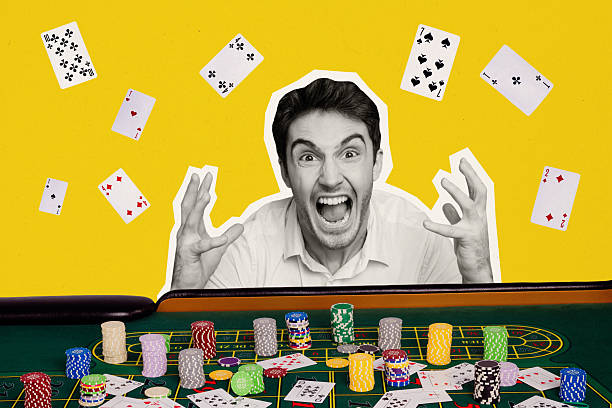
Moreover, clear communication about the odds of winning and the risks involved in gameplay is crucial. By educating players about the true nature of games, designers can foster a more informed player base that understands the risks associated with gambling. This approach not only promotes responsible behavior but also helps maintain the integrity of the gaming environment, ensuring players can enjoy games without facing detrimental consequences.
Furthermore, the industry’s shift towards responsible gaming is prompting designers to refine their approaches. Many casinos are beginning to develop games with built-in reminders about responsible play, effectively nudging players to reflect on their gaming habits. By prioritizing player well-being alongside profitability, the gaming industry can develop a healthier relationship with its audience while still delivering engaging experiences that captivate players.
Exploring the Future of Casino Game Design
The future of casino game design is poised for exciting transformations, largely driven by technological advancements and shifting player preferences. Innovations such as virtual reality (VR) and augmented reality (AR) are set to redefine how players experience casino games. These technologies promise to deepen immersion, allowing players to engage with games in ways previously imagined only in science fiction. As designers explore the potential of these technologies, they anticipate not just improved graphics but also novel gameplay mechanics that can reshape player interactions.
Additionally, data analytics and machine learning are playing larger roles in personalizing player experiences. By analyzing player behavior, designers can tailor game content to individual preferences, creating unique gaming experiences that enhance satisfaction and engagement. This level of personalization helps connect players more deeply with games, making every session feel more relevant and enjoyable to them.
As the online gaming landscape continues to evolve, the emphasis on mobile gaming cannot be overlooked. With an increasing number of players seeking the convenience of gaming on-the-go, casino game designers are adapting their strategies to ensure seamless experiences across all devices. This adaptability will not only cater to the expectations of modern players but also open up new avenues for creativity and innovation in game design, propelling the industry into a new era.